
Keep
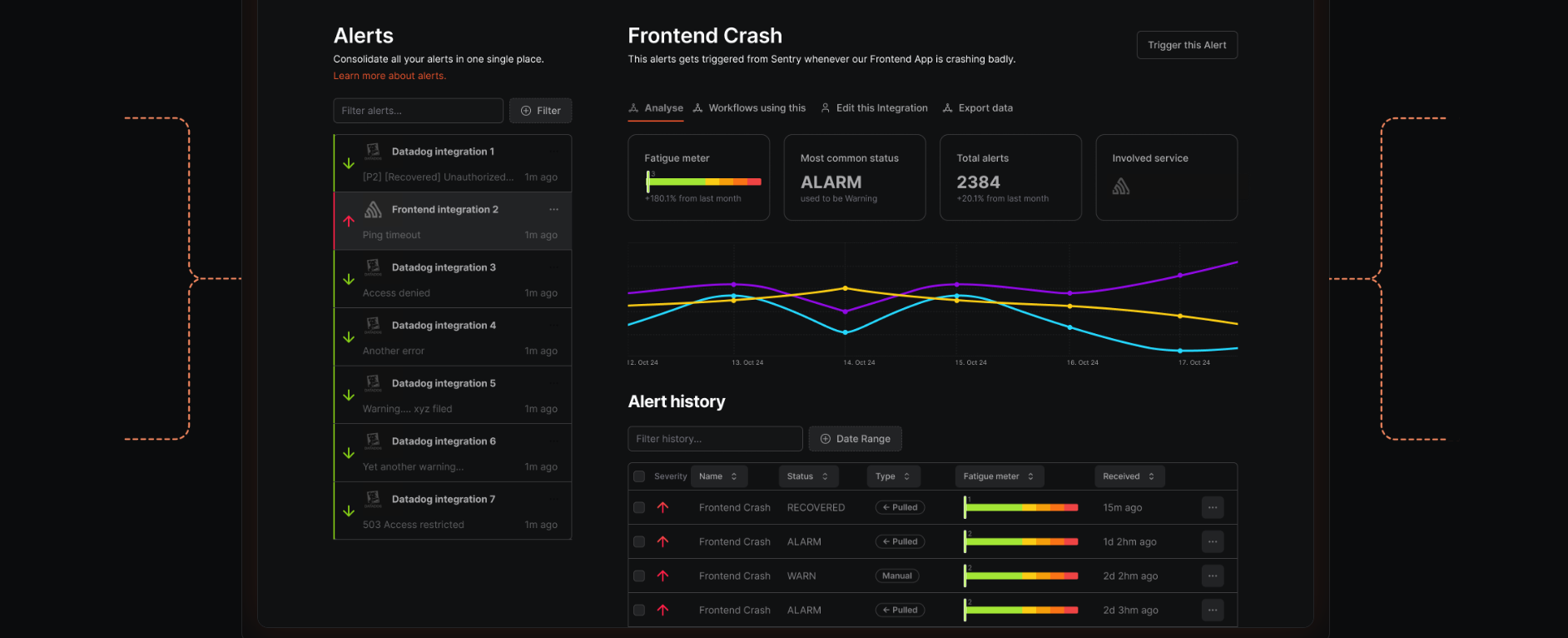
Keep is a source-available alert management and AIOps tool for DevOps teams reducing alert noise across monitoring and on-call systems. It should be evaluated as an Elastic License 2.0 project, not as
Replaces —
Who it's for
Keep fits teams that already have several monitoring sources and need enrichment and correlation before responders act.
Skip it if your main requirement is a vendor-managed paging network with procurement and support.
Keep gives platform teams a source-visible place to test alert workflows and automation across existing tools.
Avoid it if Elastic License 2.0 does not pass your policy.
The problem
Modern infrastructure produces alerts from too many systems: metrics, logs, incidents, cloud services, security tools, and on-call platforms. Teams lose time deduplicating, enriching, routing, and explaining alerts before they can fix the actual issue. The pain is alert context. A page without service ownership, runbook hints, recent changes, or correlation creates noise even when the underlying signal is real.
How it works
Keep focuses on adding context to alerts and grouping related signals so responders see fewer disconnected notifications.
Teams can define workflows around alert handling, routing, and response steps instead of manually copying data between tools.
Keep connects with monitoring, incident, and notification systems, making it useful as an alert layer across existing tools.
Features
- Alert enrichment and correlation
- Workflow automation
- Monitoring and on-call integrations
Recommended for this setup
Strengths
- Designed for alert noise reduction: Keep targets the operational problem between detection and response: enrichment, correlation, and routing across many alert sources.
- Self-managed option with source access: Teams can inspect and run the project themselves, but the Elastic License 2.0 terms should be reviewed before commercial service use.
Trade-offs
- Elastic License 2.0 is source-available: Keep is not an ordinary OSI-open-source project. Teams with strict open-source procurement rules should review the license before adopting it.
- Not a full on-call vendor replacement: Keep can improve alert workflows, but teams may still need paging, escalation policies, incident status pages, and support from existing on-call platforms.
Tech stack
FAQ
Keep is source-available under Elastic License 2.0. Treat it differently from OSI-approved open-source projects.
Keep is best for alert enrichment, correlation, and workflow automation across monitoring and incident tools.
Not completely. Keep can support alert workflows, but PagerDuty-style paging, escalation, and managed incident operations may still be needed.