
inlang
Open source localization ecosystem for software teams
Replaces Lokalise, Phrase, Crowdin
Who it's for
Use inlang when a codebase needs localization data that can move across frameworks, editors, and automation.
Your team only needs a managed translation vendor with human translator operations.
Use inlang SDKs and file-format conventions to build i18n-aware apps or integrations.
You do not want to adopt a new localization data model.
The problem
Localization gets messy when each framework, editor, and translation service stores messages differently. Teams lose time converting formats, syncing strings, and reconciling changes between developers and translators. The deeper issue is portability. If translation data only works inside one vendor or one framework plugin, switching tools or adding a new app becomes a migration project.
How it works
Defines a project file format for localization so messages can move between apps and developer tools with less custom conversion.
Provides SDK building blocks for teams and tool authors who want to connect localization data to apps, editors, and automation.
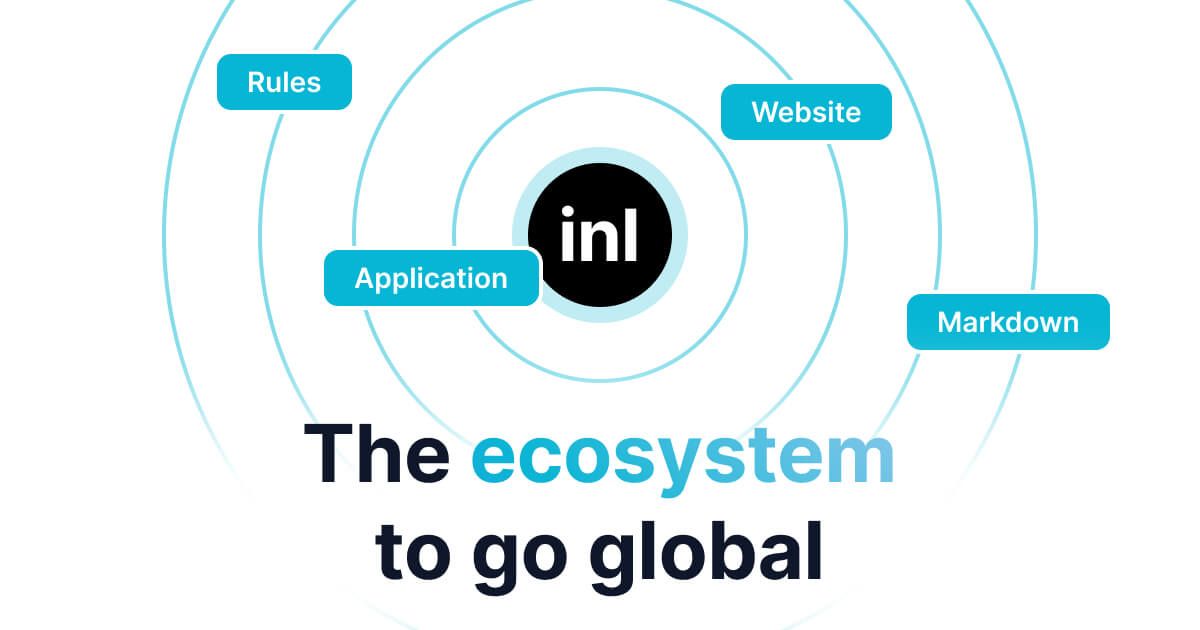
The project positions inlang as an ecosystem of apps around i18n workflows, not only a single translation editor.
Features
- Open localization file format
- Developer SDK ecosystem
- Localization app ecosystem
Recommended for this setup
Strengths
- Portability-first i18n model: inlang focuses on interoperability, which helps teams avoid locking translation data to one product or framework integration.
- Useful for tool builders: Because inlang includes SDKs and a shared format, it can serve developers building localization workflows rather than only end users editing strings.
Trade-offs
- Ecosystem choice required: inlang is not a single hosted translation department. Teams still need to choose which apps, SDKs, and review process fit their product.
Tech stack
FAQ
inlang is an open project file format and ecosystem for software localization and internationalization workflows.
inlang is for developers and localization-tool builders who need portable i18n data across apps, SDKs, and workflows.
inlang can replace parts of the localization tooling layer, but teams still need a translation and review process for production copy.