
cilium
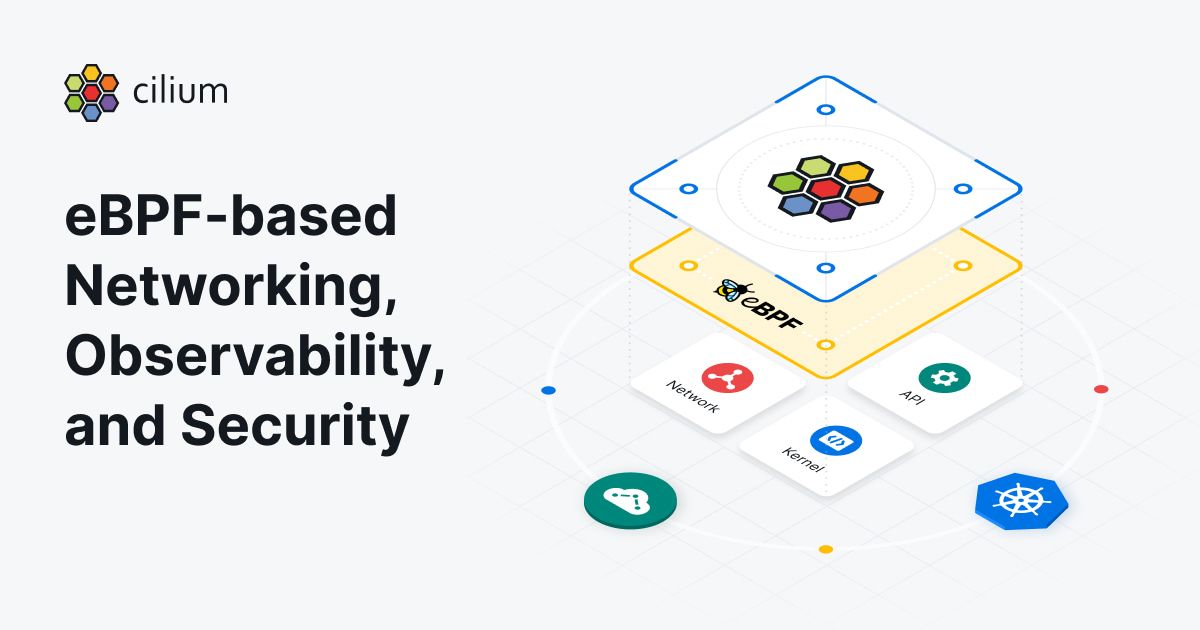
eBPF-based Networking and Security for Cloud Native Apps
Replaces Calico Cloud, Isovalent Enterprise Platform
Who it's for
Ideal for securing communication between microservices in Kubernetes.
Skip if not using Kubernetes or microservices architecture.
Useful for teams needing to monitor and analyze network performance.
Skip if performance monitoring is not a priority.
The problem
Cilium addresses the challenges of securing and managing network traffic in cloud-native environments, particularly with microservices architecture.
How it works
Utilizes eBPF for efficient packet processing and enhanced performance.
Seamlessly integrates with Kubernetes for managing containerized applications.
Enables fine-grained control over service-to-service communication.
Provides insights into network traffic and application behavior.
Implements efficient load balancing for service traffic.
Features
- eBPF Technology
- Kubernetes Integration
- Network Policies
- Observability
- Load Balancing
Recommended for this setup
Strengths
- High Performance: eBPF allows for fast and efficient networking without the overhead of traditional methods.
- Deep Visibility: Offers comprehensive observability into network traffic and application interactions.
- Flexible Policies: Supports complex network policies to enhance security and compliance.
Trade-offs
- Complexity: May require a learning curve for teams unfamiliar with eBPF or Kubernetes.
- Resource Intensive: Can be resource-intensive in large-scale deployments.
Tech stack
FAQ
eBPF (extended Berkeley Packet Filter) is a technology that allows running sandboxed programs in the Linux kernel.
Cilium integrates with Kubernetes by providing networking and security features tailored for containerized applications.
Network policies are rules that control the traffic flow between different services in a Kubernetes cluster.